
🎉NEWCapSolver for AI agents-MCP, agent tools, and SDK integrations

Lucas Mitchell
Automation Engineer
Published Jan 05, 2026
Updated Jan 05, 2026 · min read
TLDR: The alternative data market is defined by a shift toward compliance, AI-driven analytics, and data granularity. In 2026, the best Alternative Data Providers are those that offer transparent data provenance and specialized domain expertise. Our top platforms—YipitData, FactSet, and Eagle Alpha—are ranked based on their superior data quality, real-time delivery, and robust compliance frameworks, providing a crucial edge for investment and corporate intelligence professionals.
The competitive landscape of modern business intelligence hinges on access to timely, non-traditional information. Alternative Data Providers have transitioned from an experimental resource to a core strategic asset, driving investment decisions and market forecasting. The market's valuation is expected to exceed $21 billion in 2026, according to Precedence Research, reflecting its indispensable nature. This guide offers a detailed, comparative analysis of the top platforms, focusing on the practical insights, strengths, and weaknesses necessary for making an informed procurement decision. We assert that selecting the right provider in 2026 requires prioritizing verifiable data provenance and seamless integration capabilities.
The alternative data ecosystem is rapidly maturing, pushing providers to meet higher standards of quality and compliance. The key trends shaping the market demand a new level of sophistication from the Alternative Data Providers you choose.
Regulatory scrutiny, particularly around consumer privacy (GDPR, CCPA), has intensified. The leading providers now treat data provenance—the clear, auditable history of data collection—as a primary feature, not an afterthought. Any data lacking transparent sourcing and proper anonymization presents a significant legal risk.
The sheer volume of unstructured data (e.g., satellite images, social media text) makes manual analysis impossible. Alternative Data Providers are now leveraging advanced AI for multi-modal data fusion, combining disparate sources to create more predictive signals. This includes using sophisticated Natural Language Processing (NLP) to gauge market sentiment accurately.
The value of alternative data is directly proportional to its detail and speed. Investors demand data at the micro-level—such as daily foot traffic for a single store location or real-time product inventory changes—to gain a true information advantage. Low latency data pipelines are now a critical differentiator among the best Alternative Data Providers
Our ranking moves beyond simple feature lists, focusing on the practical utility and risk mitigation capabilities of each platform. The following criteria form the basis of our comparative analysis:
| Ranking Criterion | Description | Practical Impact |
|---|---|---|
| Data Granularity & Uniqueness | The depth of detail (e.g., individual store level) and the exclusivity of the dataset. | Determines the precision of predictive models and the uniqueness of the alpha signal. |
| Compliance & Data Provenance | Transparency in data sourcing and adherence to global privacy regulations (GDPR, CCPA). | Mitigates legal and reputational risk for the end-user. |
| Integration & Workflow | Ease of API integration, compatibility with BI tools, and availability of managed services. | Reduces time-to-insight and operational overhead for data science teams. |
| Real-Time Capability | The frequency and speed of data updates, crucial for high-frequency strategies. | Essential for reacting quickly to market-moving events. |
| Domain Specialization | The provider's depth of expertise in a specific data vertical (e.g., e-commerce, geospatial). | Ensures the data is curated and validated by subject matter experts. |
The following platforms are recognized as the best Alternative Data Providers due to their market leadership and specialized offerings.
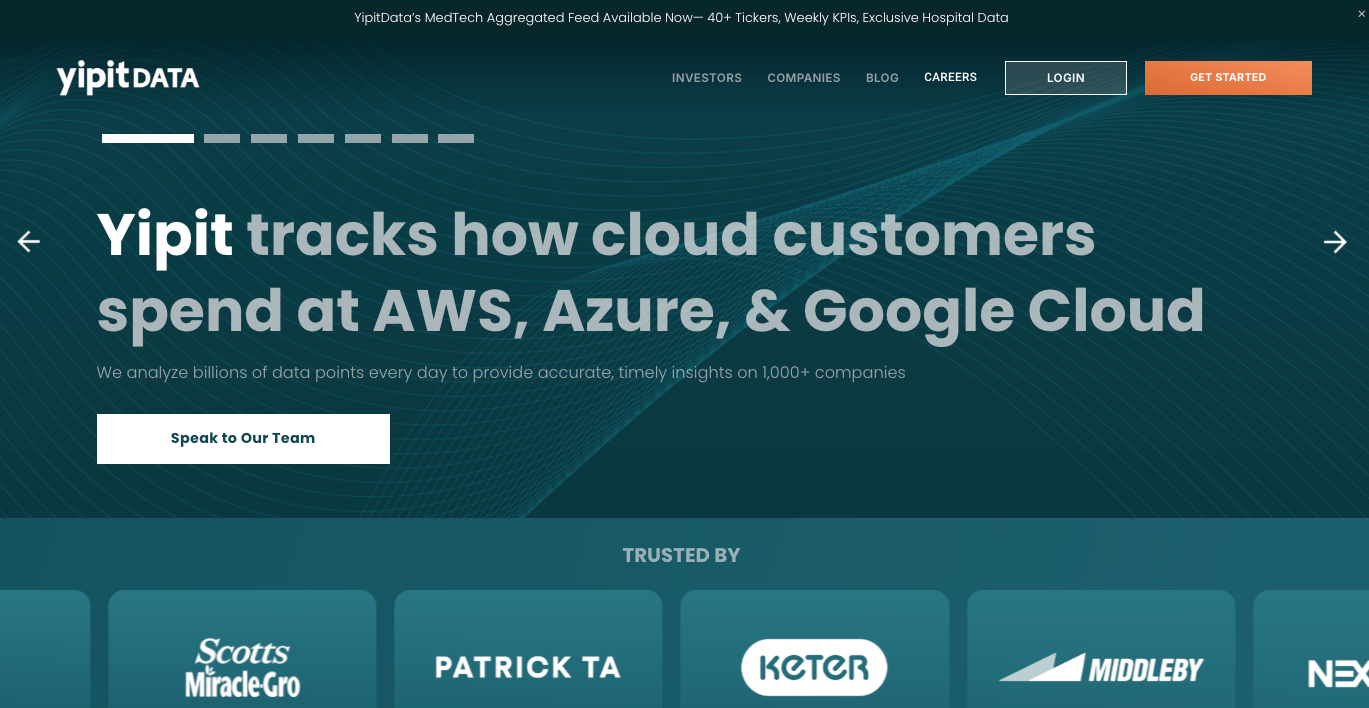
YipitData remains the gold standard for consumer spending and e-commerce data. Their strength lies in processing vast amounts of email receipt and transaction data, providing unparalleled insights into company performance before official earnings reports. The data is highly granular, allowing for deep dives into specific brands and product categories. Their rigorous data cleansing and normalization processes ensure high accuracy.
Key Considerations for YipitData:
FactSet is primarily a financial data and analytics platform that excels at integrating third-party alternative data. They offer a unified environment where traditional financial data and alternative datasets can be analyzed side-by-side, simplifying the workflow for large institutional clients. FactSet is not a primary data collector, but an essential aggregator.
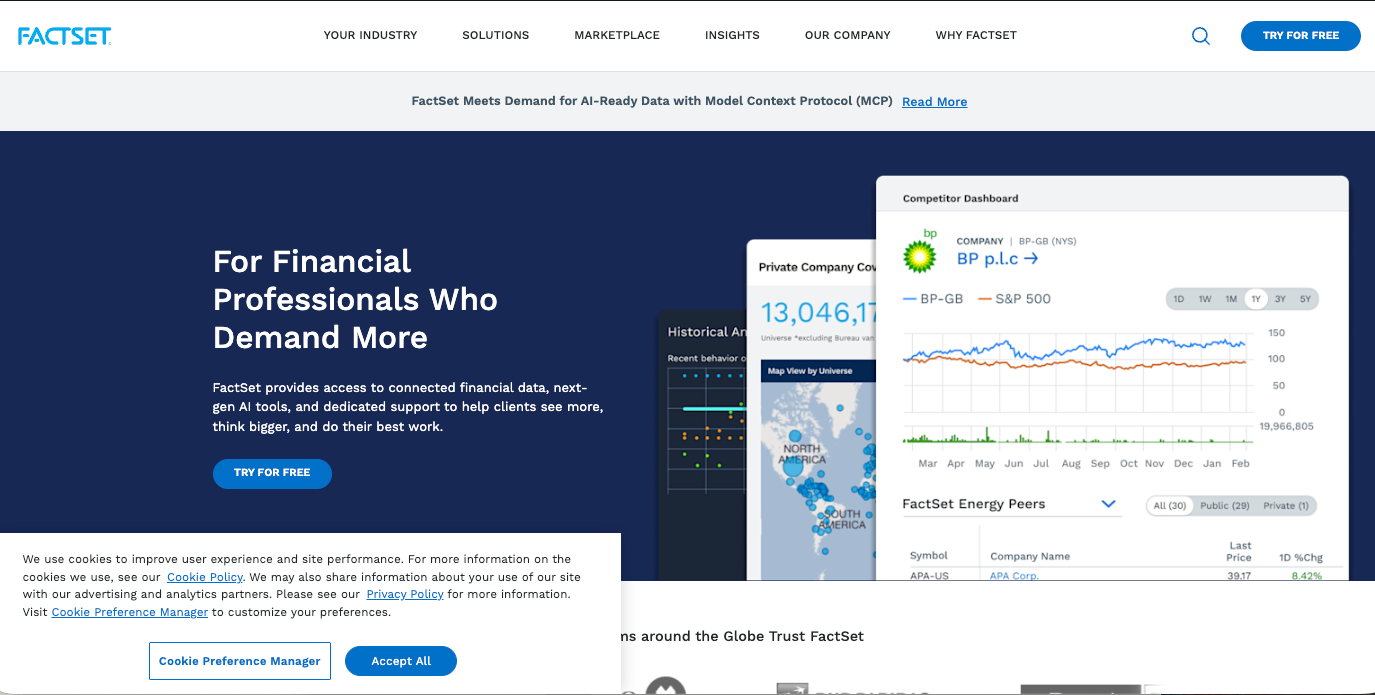
FactSet's value proposition is its seamless integration. For large asset managers and investment banks, the ability to access hundreds of datasets within a single, compliant platform is a major advantage. While the platform cost is high, it often reduces the internal operational costs associated with managing multiple vendor relationships and data feeds. Their compliance standards are exceptionally high, a key differentiator among Alternative Data Providers**.
Eagle Alpha functions as a crucial intermediary, connecting data buyers with a wide array of niche data sellers. Their core value is their advisory service, which helps clients navigate the complex data landscape and identify niche datasets. They excel in providing a wide variety of data types, from social media sentiment to satellite imagery, acting as a crucial intermediary.
| Feature | Pros | Cons |
|---|---|---|
| Marketplace | Massive variety of data types; ideal for data discovery and testing. | Data quality and compliance vary significantly between vendors. |
| Advisory | Excellent due diligence and compliance support; helps identify niche data. | Requires internal resources to manage multiple vendor relationships. |
| Best For | Firms in the data discovery phase or those seeking highly specialized, niche datasets. |
Thinknum specializes in extracting and structuring data from the public web, focusing on competitive intelligence metrics like job postings, product pricing, and web traffic signals. Their platform is designed for rapid deployment of new data feeds, making them highly responsive to market changes.
Thinknum is particularly strong in tracking competitive intelligence and labor market trends. Their platform is highly flexible, allowing users to track specific company metrics derived from publicly available sources. However, users must be aware that their data is limited to publicly available web sources and is susceptible to changes in website structure, requiring constant monitoring to ensure data integrity. This makes them a dynamic player among Alternative Data Providers for corporate strategy teams.
Preqin is the definitive source for data on private capital markets, including private equity, venture capital, real estate, and infrastructure. While focused on private assets, their proprietary, verified data on fund performance and deal flow makes them a critical alternative data source for long-term investors. The depth and quality of their proprietary data provide a reliable foundation for long-term investment strategies, particularly in private markets
Best For: Private equity firms, venture capital funds, and institutional limited partners (LPs).
Pricing Insights: High-cost, annual subscription model; pricing is based on modules and data access levels.
Limitation: Data is not real-time due to the nature of private markets, and its utility is limited for public equity strategies.
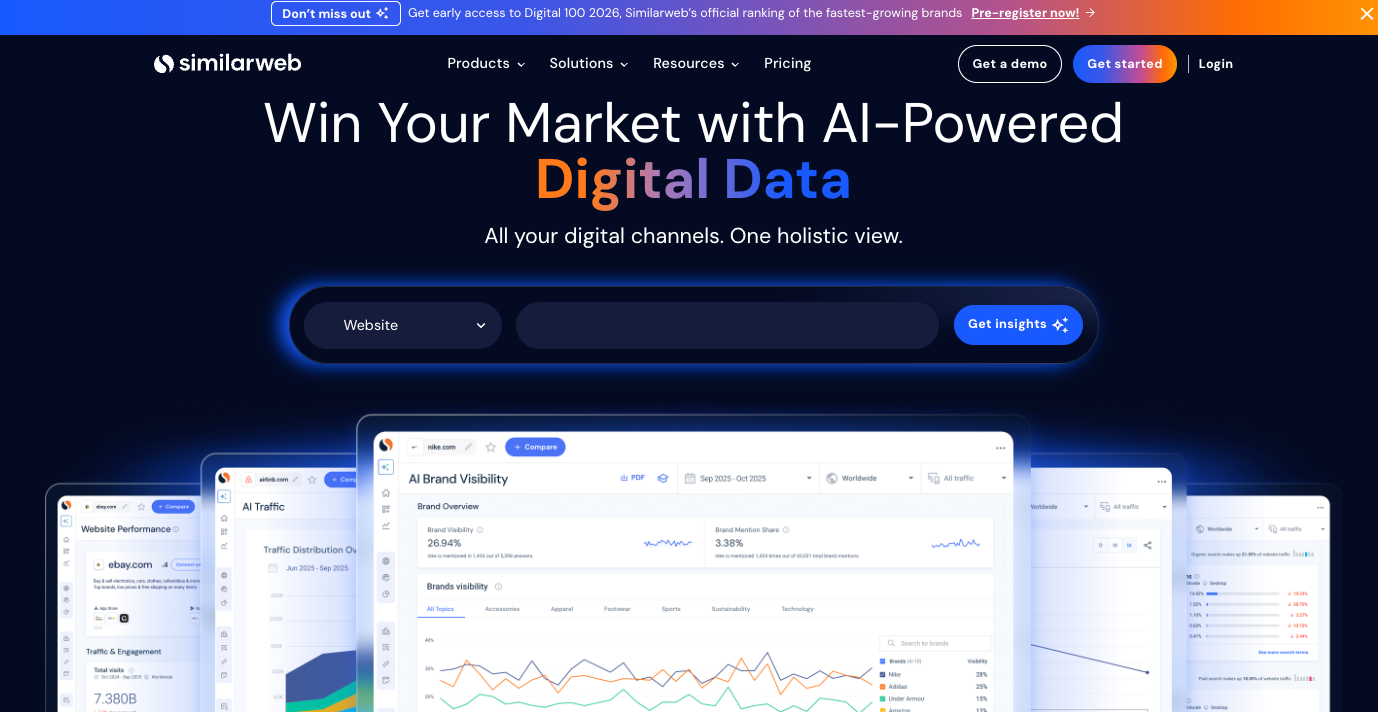
SimilarWeb provides comprehensive data on website traffic, mobile app usage, and digital engagement metrics. This data is crucial for assessing the digital health and market share of public and private companies, making them a key player among Alternative Data Providers.
Summary of Offerings:
The quality of the data provided by the best Alternative Data Providers often relies on their ability to collect vast amounts of information from the public web. This process, known as web scraping, is the backbone of many competitive intelligence and e-commerce datasets. However, maintaining these data pipelines is a constant battle against sophisticated anti-bot measures and CAPTCHAs.
For organizations that choose to collect their own data or for providers who need to ensure uninterrupted data flow, reliable infrastructure is paramount. This is where services like CapSolver play a crucial role. CapSolver provides AI-powered solutions to automatically solve complex CAPTCHAs and anti-bot challenges, ensuring that data collection remains stable and scalable. By integrating such a service, data teams can maintain the real-time nature of their data without being blocked. To understand the underlying technology, review our comparison of web crawling vs. web scraping
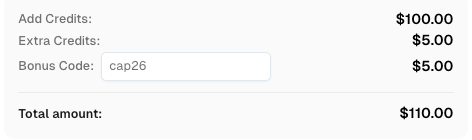
Use code CAP26 when signing up at CapSolver to receive bonus credits!
Selecting from the pool of Alternative Data Providers requires a structured approach that aligns the data with your specific business question.
Clearly articulate the hypothesis you are trying to test. Are you tracking foot traffic to retail stores (Geospatial data)? Are you forecasting quarterly revenue (Transactional data)? The answer dictates the required data type and, consequently, the most suitable provider.
Demand a detailed explanation of how the data was collected, anonymized, and aggregated. The provider must offer legal assurances that the data is compliant with all relevant regulations. This due diligence is critical for mitigating regulatory risk.
Always request a proof-of-concept (POC) or a historical data sample. The data must be tested against your existing models to confirm its accuracy and its ability to generate a statistically significant predictive signal. This is a crucial step before committing to a high-cost subscription.
Consider the total cost of ownership, which includes the effort required to clean, integrate, and maintain the data feed. Providers with robust APIs and dedicated support for data scientists, like FactSet, often justify their higher price by reducing internal operational costs.
Looking ahead, the market will be defined by two key areas: data fusion and regulatory clarity. Data fusion involves combining disparate datasets—such as combining satellite imagery with social media sentiment—to create a more holistic view of a company or market. This multi-modal approach will be the next frontier for alpha generation. Furthermore, the global regulatory environment, particularly concerning consumer privacy, will continue to shape which Alternative Data Providers can operate successfully. Providers who invest early in privacy-enhancing technologies will gain a significant competitive advantage
Beyond choosing the right Alternative Data Providers organizations should also recognize that data collection infrastructure is a long-term competitive moat. Whether you are building proprietary datasets or validating third-party signals, stable web data acquisition is critical in 2026. CapSolver help data teams maintain uninterrupted scraping pipelines by reliably handling CAPTCHAs and anti-bot systems, ensuring that alternative data remains timely, compliant, and scalable. In an environment where speed and data freshness directly impact decision quality, robust infrastructure is no longer optional—it’s foundational.
The landscape of Alternative Data Providers in 2026 is defined by specialization, compliance, and data quality. High-quality, timely, and verifiable data gives organizations a competitive edge. To maintain real-time pipelines and bypass anti-bot challenges, tools like CapSolver are essential, ensuring data collection remains stable, scalable, and reliable.
Q: What is the primary difference between traditional and alternative data?
A: Traditional data includes financial statements, market prices, and economic indicators. Alternative data is non-traditional, sourced from web scraping, satellite imagery, social media, or transaction records, offering a forward-looking, real-time perspective.
Q: How can I ensure the alternative data I purchase is compliant?
A: You must verify that the provider has clear policies for anonymization, aggregation, and consent. Look for providers that adhere to global standards like GDPR and CCPA, and demand contractual assurances regarding data provenance.
Q: Which type of alternative data is most valuable for public equity investors?
A: Transactional data (e.g., credit card or email receipt data) and web traffic/engagement data (e.g., SimilarWeb) are often considered the most valuable, as they provide early, quantifiable signals on company revenue and market share.
Q: Why are some Alternative Data Providers so expensive?
A: The high cost reflects the difficulty and expense of collecting, cleaning, structuring, and validating unique, high-frequency data at scale, especially while maintaining strict compliance and data integrity.
Q: Can I collect my own alternative data instead of buying it?
A: Yes, many companies are moving toward self-service data collection. This requires significant investment in web scraping infrastructure, proxy management, and anti-bot bypass solutions (like CapSolver) to ensure the data pipeline is stable and scalable.
Lucas Mitchell
Automation Engineer
Helping browser automation recover and continue.
ABOUT THE AUTHOR
Learn scalable Rust web scraping architecture with reqwest, scraper, async scraping, headless browser scraping, proxy rotation, and compliant CAPTCHA handling.
Learn the best techniques to scrape job listings without getting blocked. Master Indeed scraping, Google Jobs API, and web scraping API with CapSolver.