🎉NEWCapSolver for AI agents-MCP, agent tools, and SDK integrations

Rajinder Singh
Deep Learning Researcher
Published Mar 15, 2024
Updated Mar 15, 2024 · min read
In the digital age, valuable information is scattered across numerous sources, from websites to documents of various formats. Imagine the power of collecting and leveraging this data for your specific objectives. This is precisely what data harvesting entails!
This article will provide you with a comprehensive understanding of data harvesting, its applications, the process involved, the challenges faced, and the tools to overcome them. Let's dive in!
Redeem Your CapSolver Bonus Code
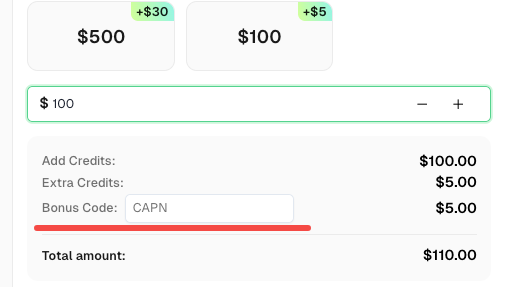
Don’t miss the chance to further optimize your operations! Use the bonus code CAPN when topping up your CapSolver account and receive an extra 5% bonus on each recharge, with no limits. Visit the CapSolver Dashboard to redeem your bonus now!
Data harvesting is the process of gathering information from one or more sources, such as web pages, text documents (e.g., PDFs, Word files), tabular files (e.g., spreadsheets, CSV files), and existing data sets.
In the context of the web, data collection is often referred to as "web scraping," which involves extracting data from websites and web pages. Once the desired data is collected, it is aggregated, cleaned, and exported into user-friendly formats, enabling easy access and analysis by your team members. Business users can then leverage this data for various purposes, such as user profiling, decision-making, and gaining valuable insights.
As of 2024, advancements in automated technologies and artificial intelligence (AI) have made data harvesting more efficient and accessible, encompassing online and local data retrieval, as well as biometric data acquisition.
Data harvesting plays a crucial role in tasks related to various industries and applications. Users of all types and expertise levels utilize it for different end goals. Here are some common use cases:
Here are the general steps involved in the data harvesting process:
Let's take a concrete example to better understand how this process works. Take crawling captcha data as an example:
To begin, ensure that you have Python installed on your system. Next, install the following libraries using pip:
In order to scrape data from captcha, we need to send HTTP requests to the website and retrieve the HTML content of the pages. We can use the Requests library to achieve this. Here's an example of making a request to retrieve the HTML of an captcha product page: reviewing the data.
import requests

url = "https://www.captcha.com/product-page-url"
response = requests.get(url)
html_content = response.text
Now we have the HTML content of the page and can proceed with parsing and extracting data.
Once we have obtained the HTML content of a page, we can use BeautifulSoup to parse the HTML and extract the desired data. This could include product information, reviews, prices, and more. Here's an example of using BeautifulSoup to extract the title of a product from an captcha page:
from bs4 import BeautifulSoup

soup = BeautifulSoup(html_content, "html.parser")
title = soup.find("span", id="productTitle").text.strip()
Now we have extracted the product title and can continue with further data extraction. See more for the detailed article
With the increasing complexity of captcha measures, choosing the right tool for data extraction has become critical. Only tools that help you avoid getting blocked can guarantee efficient and effective results. There are two main categories of data extraction tools:
For everyone: Browser extensions and desktop applications that allow data retrieval without code. While accessible to users of any skill level, these tools often come with limitations, such as being error-prone, easily detectable by sites, and offering little to no customization.
For developers: Data parsing libraries that can extract data from various sources, such as HTML, CSV, and text documents. Advanced solutions offer ways to customize requests and avoid bot detection.
While no-code tools are suitable for basic data extraction, they lack the flexibility needed for more complex tasks. For reliable and effective data harvesting, developers often need to define custom scraping logic in automated scripts.
However, custom scripts alone are not enough to build an effective data collection process. To truly solve captcha, you need a powerful tool like CapSolver. As a leading captcha solving service, CapSolver provides APIs and extensions to programmatically or hand-free to solve various types of CAPTCHAs when you will encounter while web scraping, including those used by advanced systems. By seamlessly integrating CapSolver into your data harvesting workflow, you can overcome these challenges and ensure successful data retrieval.
This article has provided you with a comprehensive understanding of data harvesting, its applications, the process involved, the challenges faced, and the tools to overcome them.By leveraging the power of data harvesting and tools like CapSolver, you can unlock valuable insights, gain a competitive edge, and make informed decisions for your business or personal endeavors. If you have a high demand for CAPTCHA solutions, you can contact CapSolver through customer service or Telegram to get a surprise offer.
Rajinder Singh
Deep Learning Researcher
Making CAPTCHA solving more reliable in automated workflows.
ABOUT THE AUTHOR
Learn scalable Rust web scraping architecture with reqwest, scraper, async scraping, headless browser scraping, proxy rotation, and compliant CAPTCHA handling.

Learn the best techniques to scrape job listings without getting blocked. Master Indeed scraping, Google Jobs API, and web scraping API with CapSolver.