
🎉NEWCapSolver for AI agents-MCP, agent tools, and SDK integrations
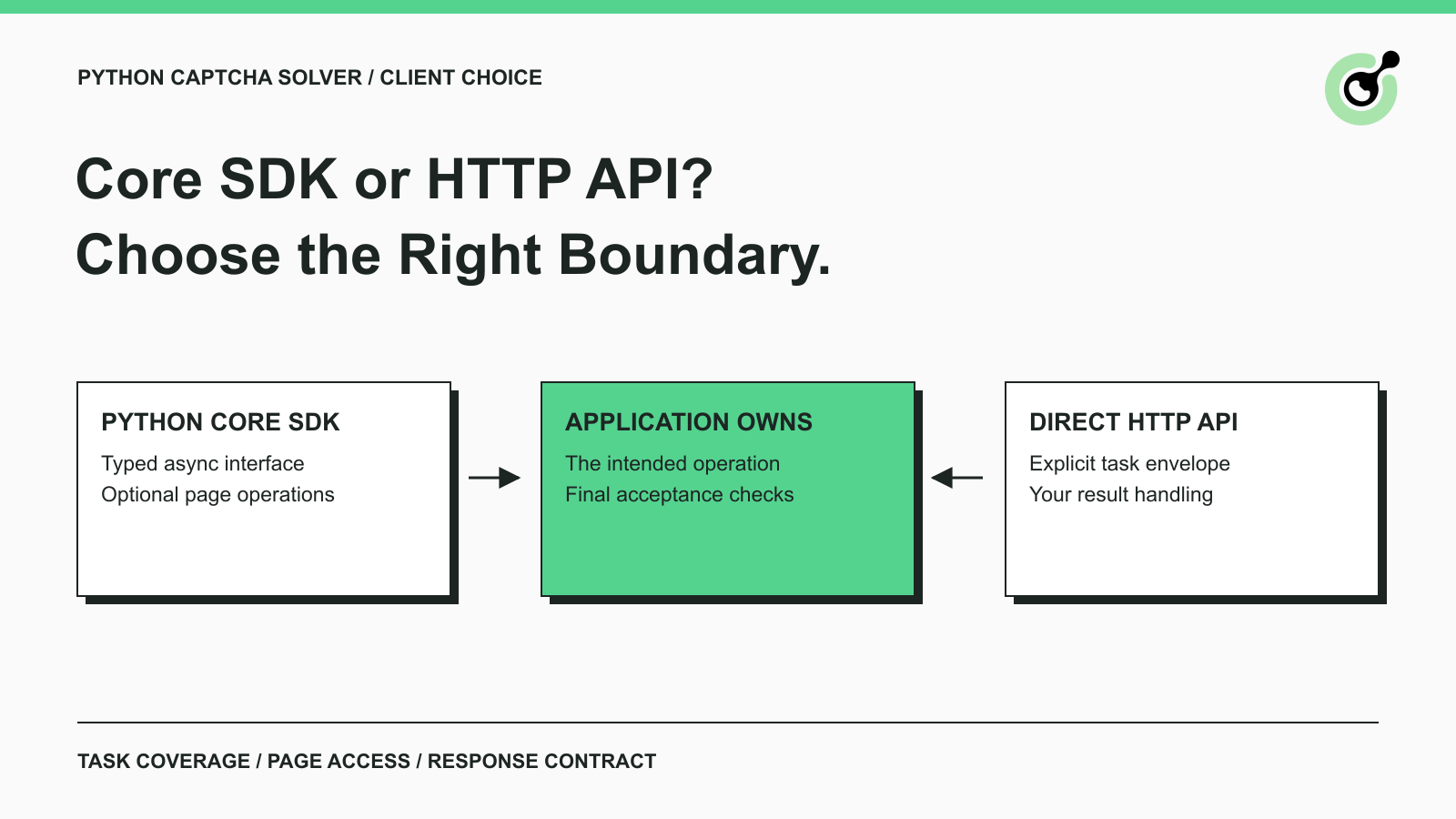
Choose the CapSolver Python Core SDK or direct HTTP API by task support, page access, response handling, and the responsibilities your application owns.

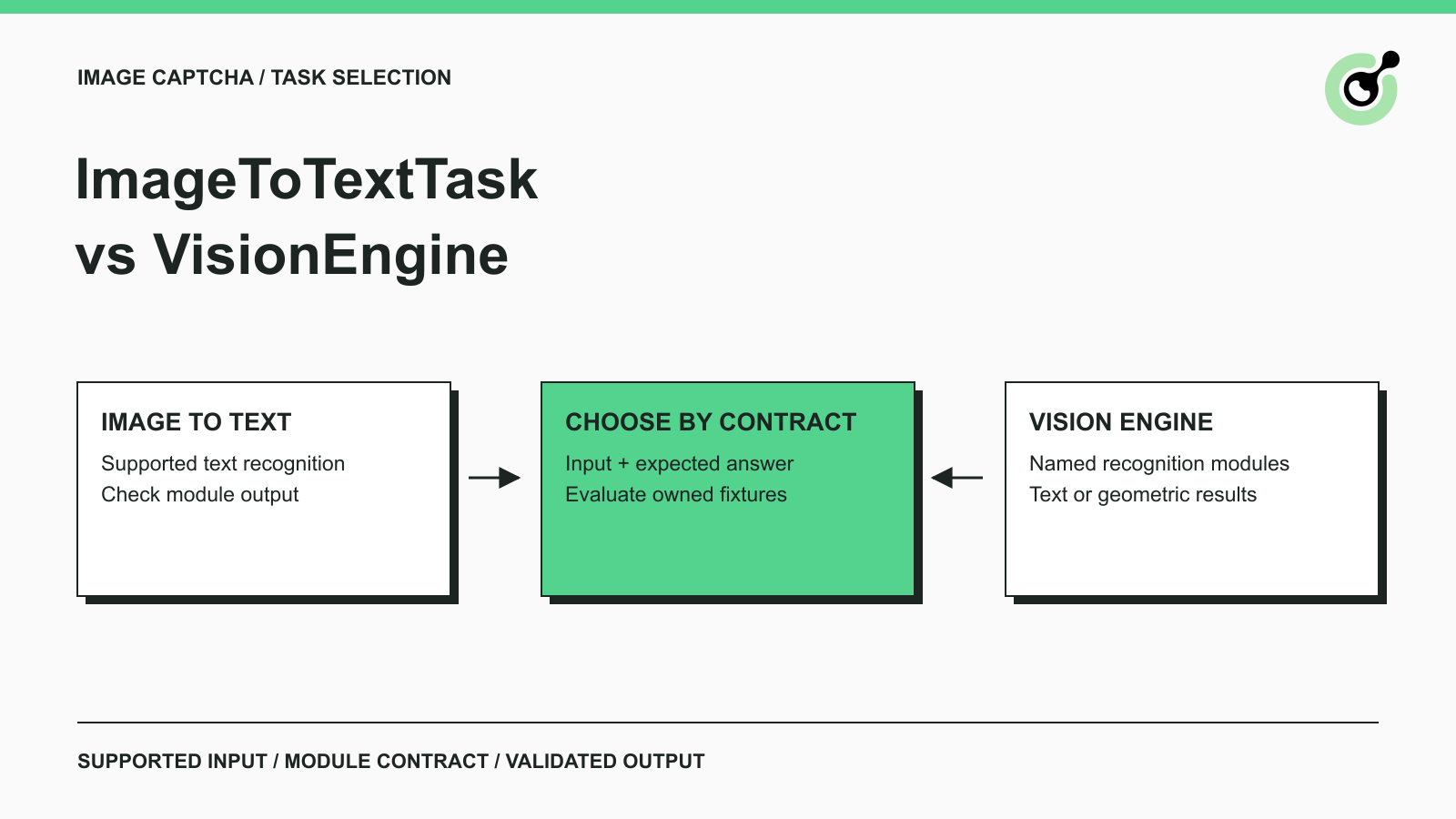
Compare ImageToTextTask and VisionEngine by CAPTCHA input, recognition output, module requirements, and application checks before choosing a solver task.

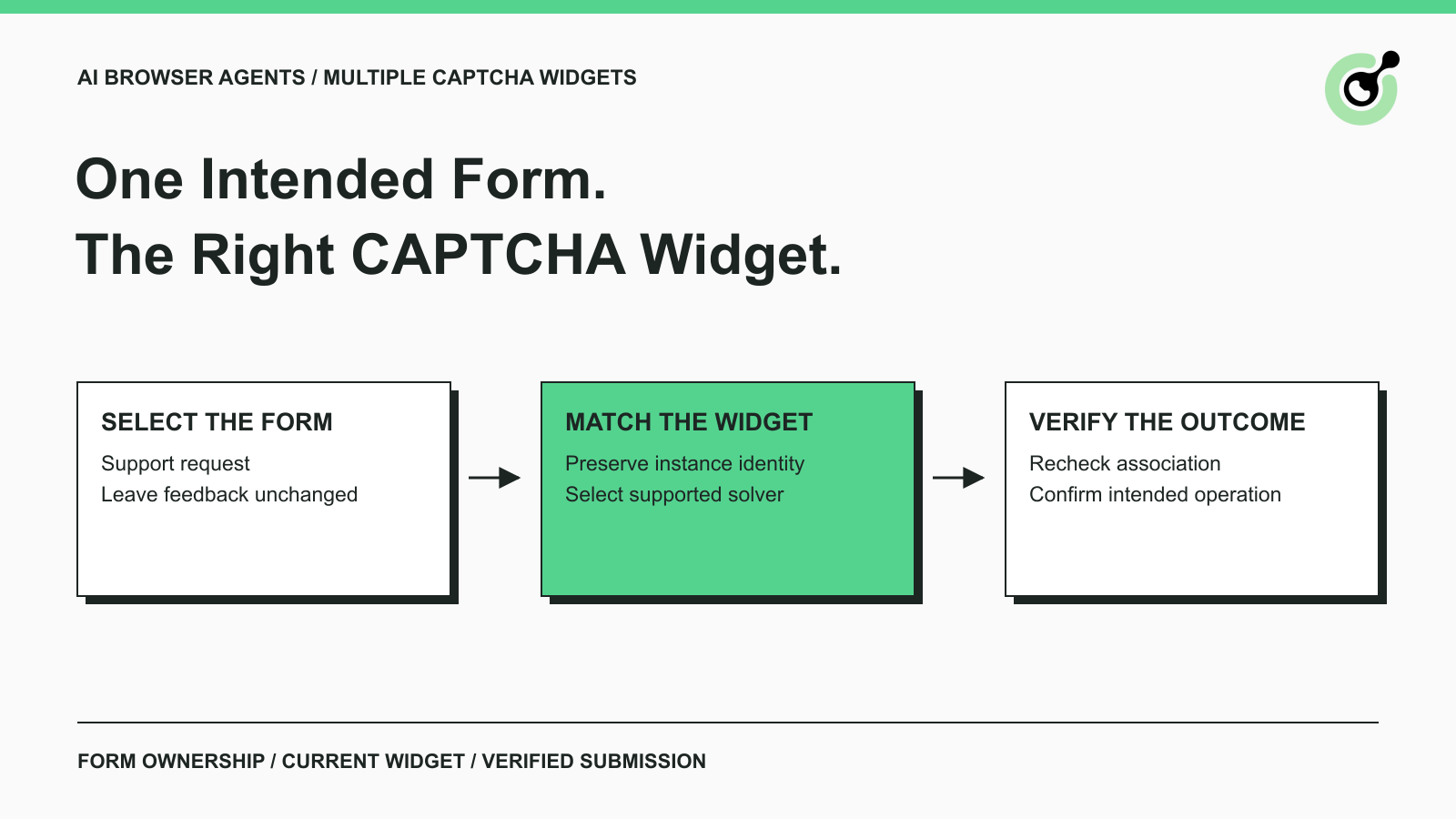
Handle multiple CAPTCHA widgets on one page with explicit form ownership, solver parameters, result routing, and checks for the intended AI agent action.
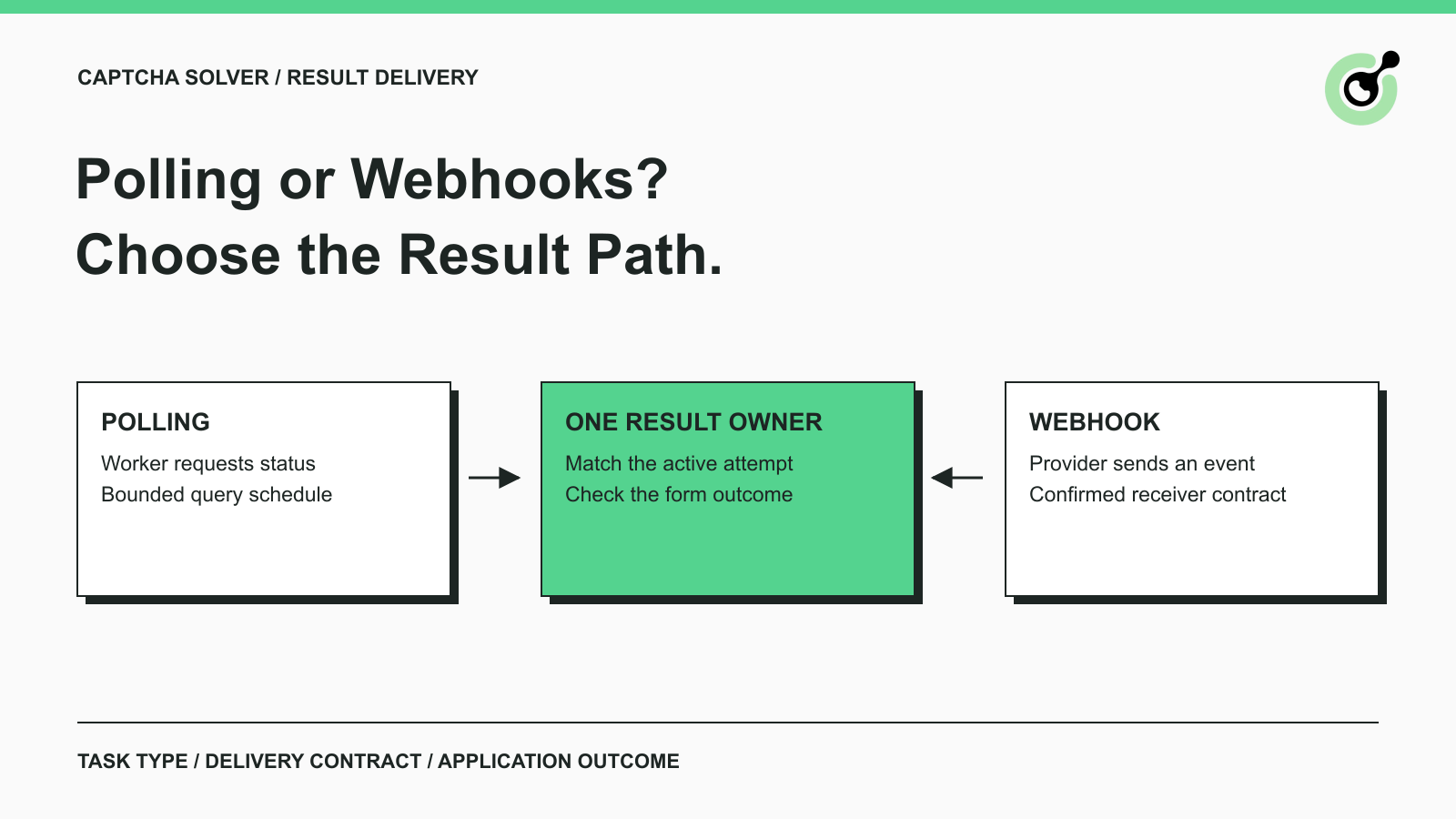
Choose CAPTCHA solver polling or webhooks using task status, receiver requirements, result freshness, and the documented CapSolver API completion flow.

Install CapSolver MCP Server from PyPI and give compatible AI agents five tools for authorized CAPTCHA handling through the Model Context Protocol.


Choose between AI agents, scripts, and hybrid web automation by task uncertainty, testability, cost, and the controls needed for reliable execution.

Use reCAPTCHA test keys in QA with separate environments, backend validation checks, negative tests, and release guards that keep test settings out of production.

Set web scraping concurrency with per-source limits, shared cooldowns, bounded retries, and a measured ramp that tracks accepted data rather than requests.
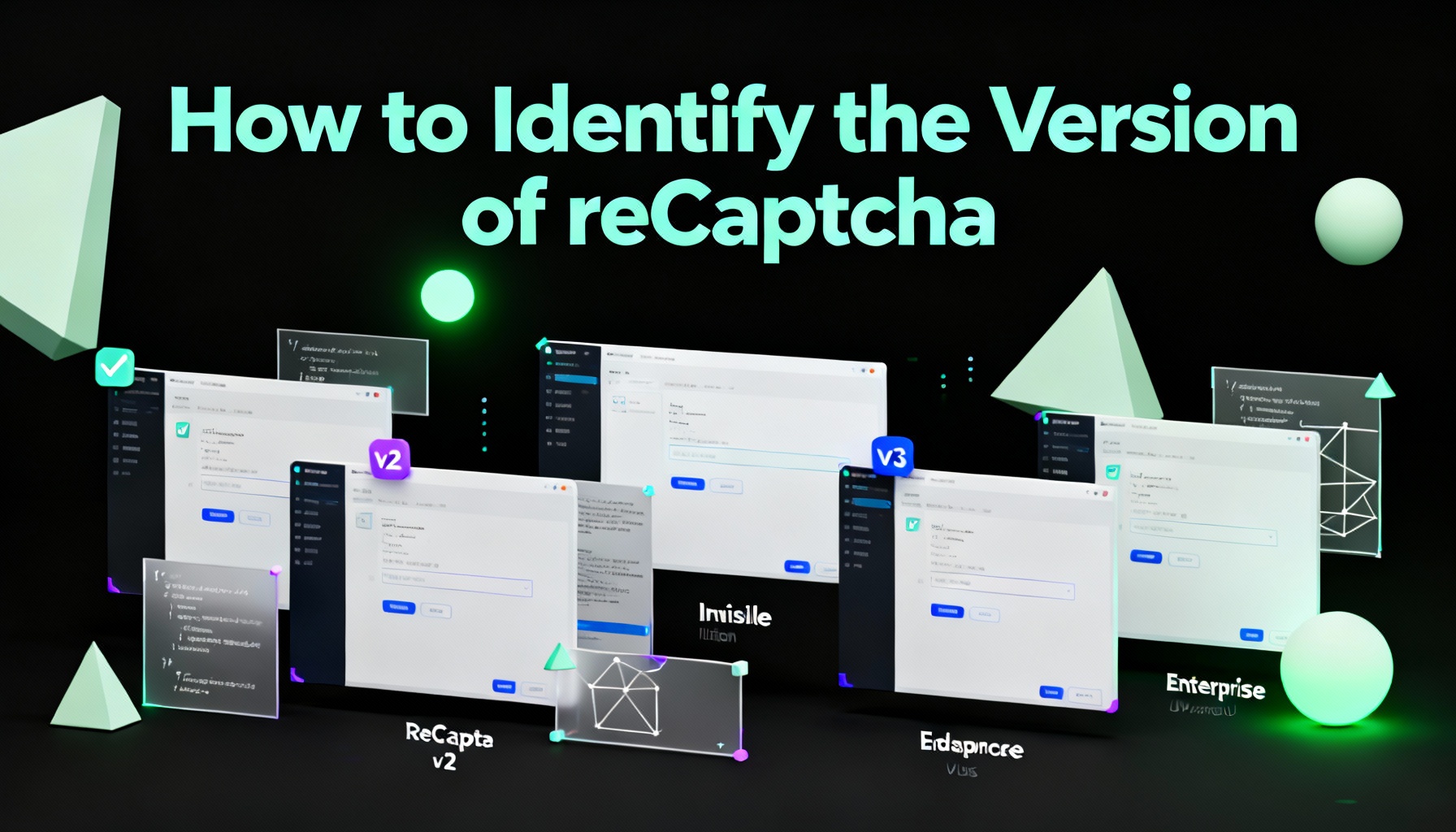
In this article, we will show you how to identify what reCaptcha version is being used.
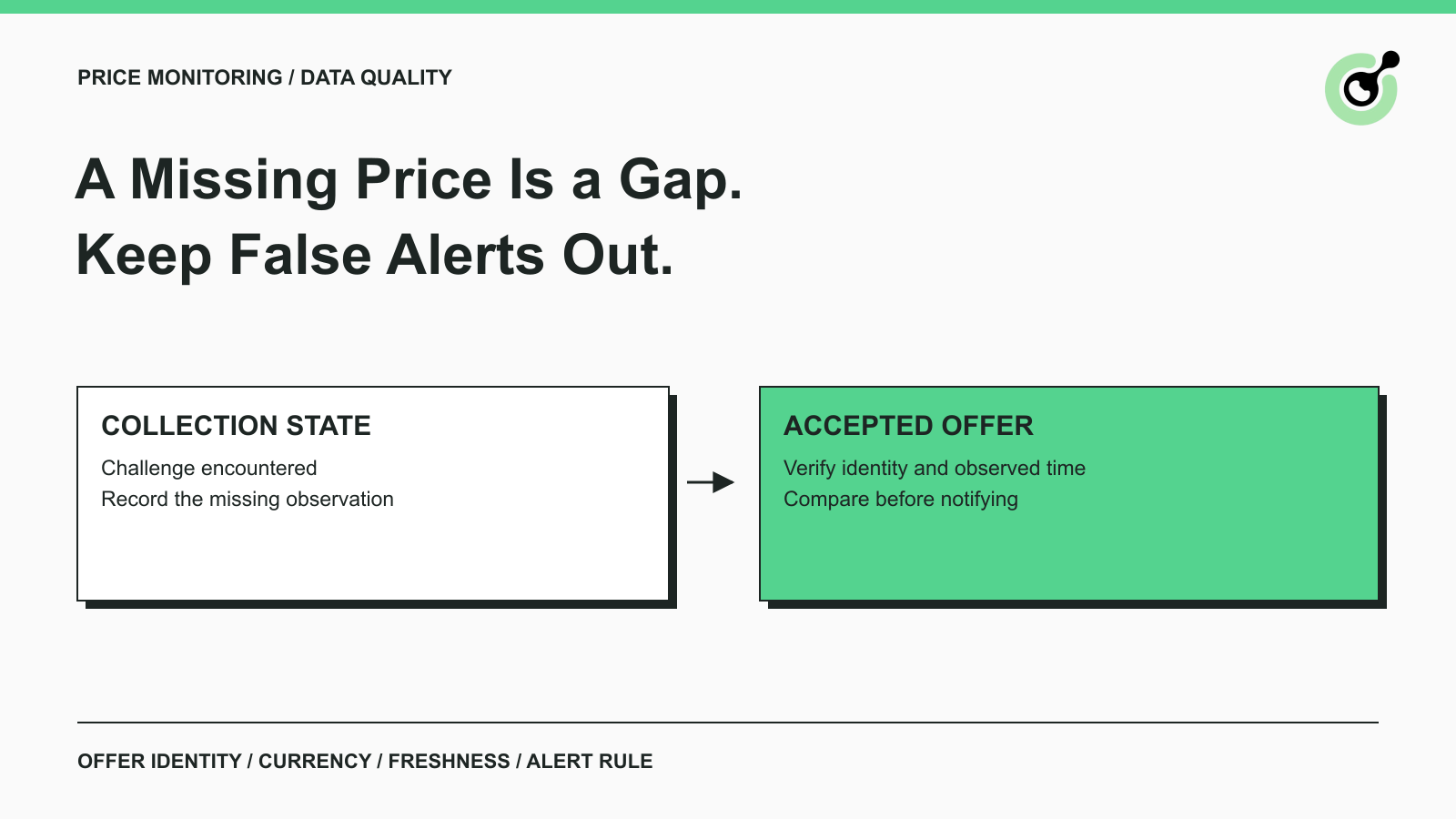
Prevent false price alerts in CAPTCHA-affected product monitoring by checking offer identity, currency, freshness, challenge states, and comparison eligibility.

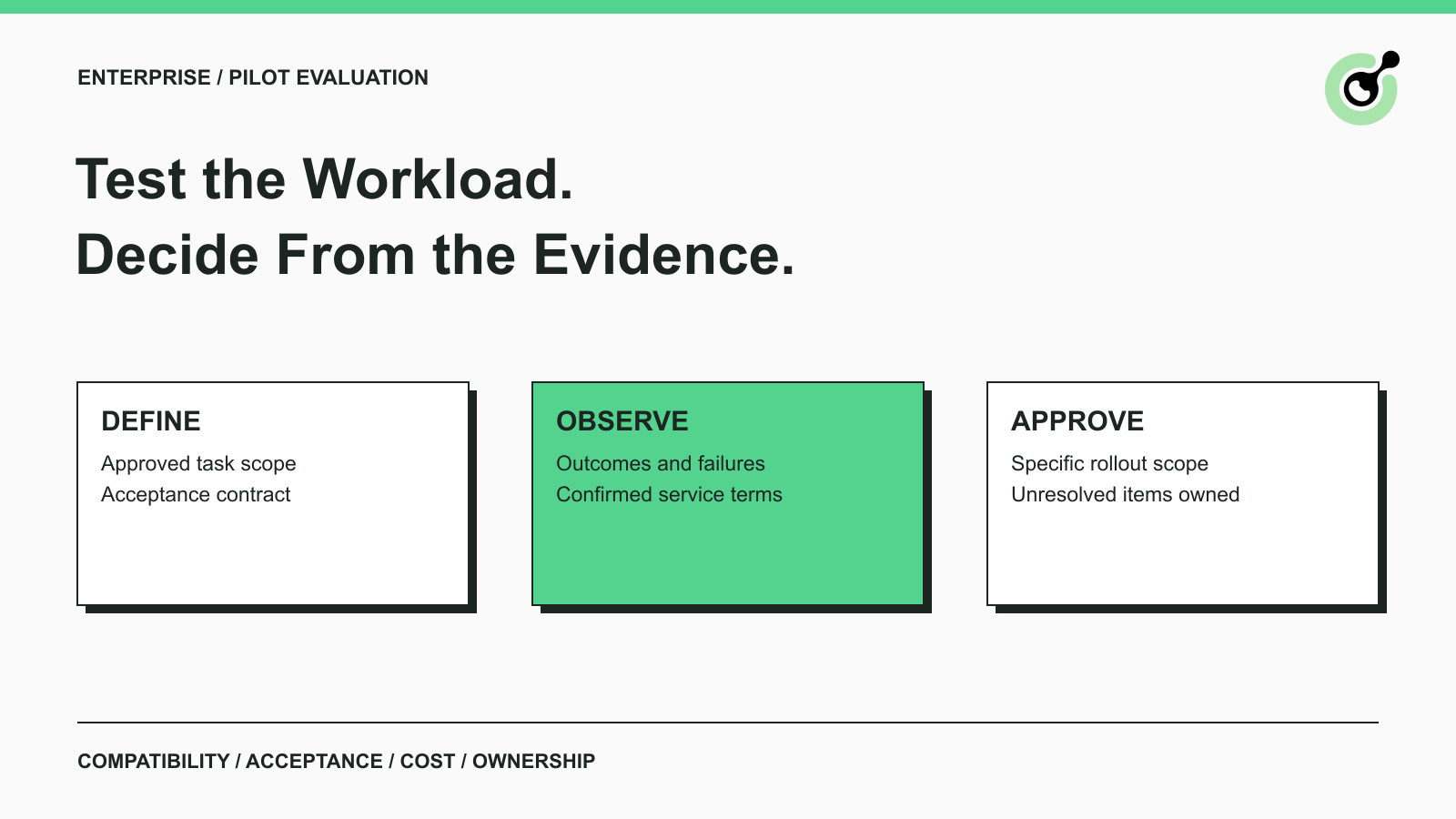
Evaluate enterprise CAPTCHA services with a focused pilot covering task compatibility, accepted outcomes, cost attribution, security evidence, and support.
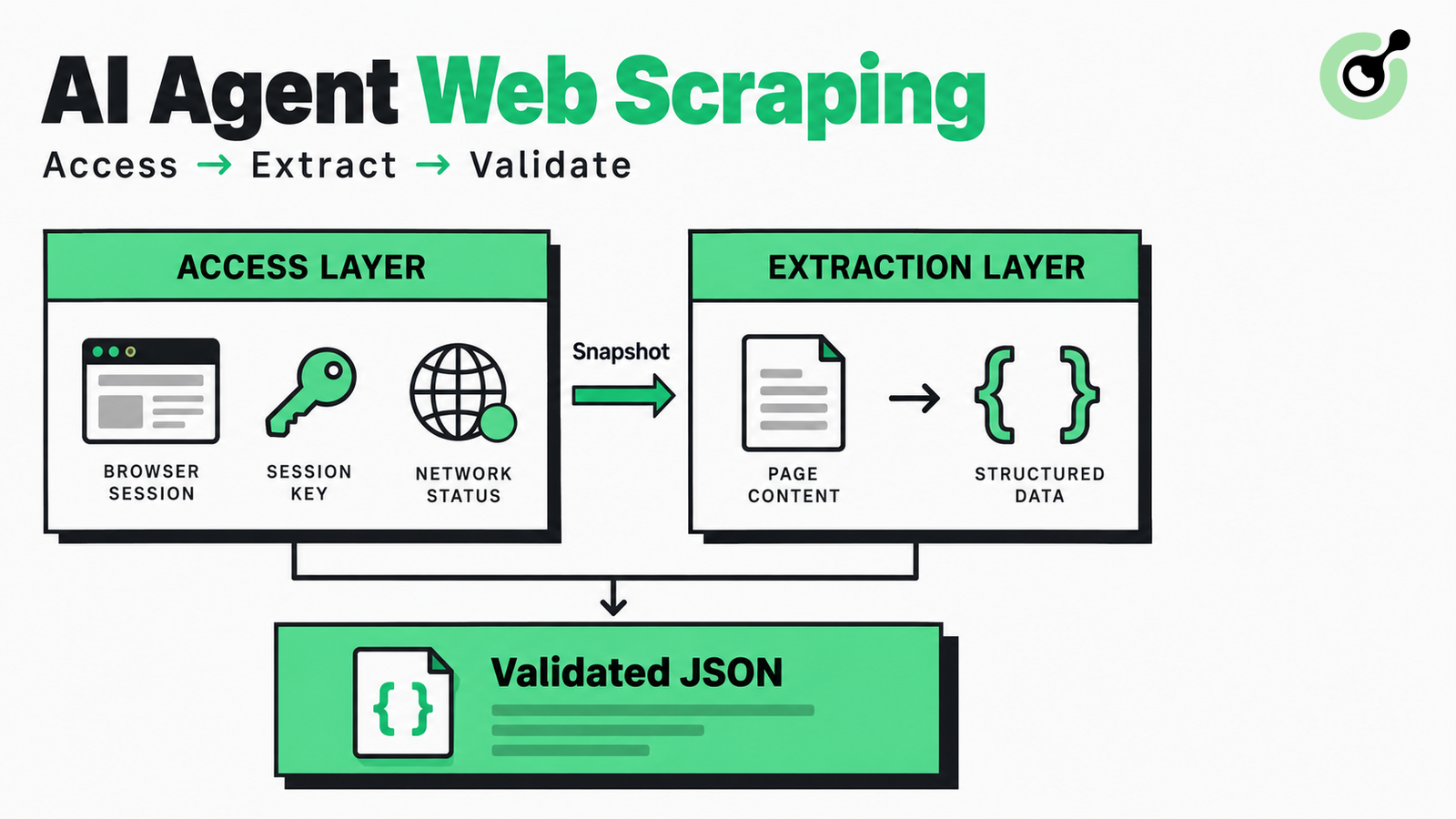
Design AI agent web scraping with separate access and extraction layers, runnable Python, bounded retries, retained snapshots, and structured data checks.