🎉NEWCapSolver for AI agents-MCP, agent tools, and SDK integrations

Nikolai Smirnov
Software Development Lead
Published Apr 02, 2026
Updated Apr 02, 2026 · min read

TL;Dr:
robots.txt and terms of service for ethical data collection.Web scraping, a powerful data extraction technique, presents significant security challenges and detection risks. This guide outlines best practices for web scraping security, helping data professionals protect their data and navigate anti-bot systems. Understanding detection mechanisms and implementing robust strategies ensures efficient, ethical, and uninterrupted data collection. We clarify concepts, establish foundational knowledge, and offer practical solutions to enhance your web scraping operations. For a deeper dive into the fundamentals, explore what is web scraping.
Secure and effective web scraping requires understanding how websites protect their information. Web scraping security involves methods and practices to prevent scrapers from detection, blocking, or legal issues. The goal is to collect data while respecting website policies and avoiding anti-bot triggers. This balances efficiency with stealth, making scraping activities appear as legitimate user interactions.
Websites use various techniques to identify and deter automated scraping. Detection mechanisms analyze patterns deviating from typical human behavior. High request rates from a single IP or missing browser-specific headers can quickly flag a scraper. Understanding these triggers is crucial for resilient scraping strategies. Anti-bot technologies constantly evolve, requiring continuous adaptation of web scraping security practices.
Anti-bot systems analyze numerous data points from incoming requests, building a visitor profile and looking for anomalies. Key indicators include IP reputation, browser fingerprinting, request headers, and behavioral patterns. Significant deviations from a human profile can trigger responses from CAPTCHA challenges to IP blocking. Effective web scraping security aims to blend with legitimate traffic, making differentiation difficult for these systems.
Building a solid foundation in web scraping security requires categorizing components and understanding their roles. This structured approach helps identify appropriate countermeasures for different scraping challenges.
User-Agent headers to mimic popular web browsers, as anti-bot systems check this for legitimacy. Regularly rotating User-Agents can further enhance stealth.Websites deploy layered defenses against scrapers:
User-Agent strings and other HTTP headers to resemble legitimate browsers. Inconsistent or outdated headers can quickly flag a bot.Secure web scraping is vital for various applications, including market research, content aggregation, and competitive intelligence. For instance, an e-commerce business scraping competitor pricing needs a low profile to avoid blocks and gather accurate, real-time data. Academic researchers collecting public data must ensure compliant methods to avoid legal and ethical issues. Web scraping security principles apply universally, regardless of data collection goals, emphasizing the need for robust strategies to ensure data integrity and operational continuity.
CAPTCHAs are a significant hurdle, designed to differentiate human users from bots. Understanding their technical basis is key to overcoming them. CAPTCHA technology constantly evolves to counter automated solving.
Anti-bot systems, including those that deploy CAPTCHAs, use sophisticated risk control mechanisms. They analyze numerous factors in real-time to assess the likelihood of a request originating from a bot:
User-Agent strings, missing plugins, unusual JavaScript execution environments, or inconsistencies in reported screen resolutions can indicate a headless browser or an automated script.Accumulated risk factors escalate responses, leading to more stringent CAPTCHA challenges, rate limiting, or outright IP blocking. Web scraping security strategies aim to minimize these factors, making scrapers appear as legitimate human users.
A high-level understanding of the secure web scraping process is beneficial for implementing effective countermeasures.
Initial Setup & Configuration:
User-Agent rotation: Maintain up-to-date User-Agent strings and rotate them per request or session. This mimics diverse user environments and avoids detection based on a static User-Agent.Pre-Scraping Checks:
robots.txt: Always check the target website's robots.txt file (https://example.com/robots.txt) for scraping policies. Respecting these guidelines is crucial for ethical and legal compliance. Ignoring robots.txt can lead to legal issues and IP bans. This is a foundational aspect of responsible web scraping security.display: none or visibility: hidden elements) to avoid interacting with them. Interacting with honeypots is a clear sign of automated activity.Execution & Monitoring:
User-Agent strings) based on real-time monitoring and feedback from website responses.Post-Scraping & Data Handling:
As anti-bot technologies advance, so must secure web scraping strategies. These solutions address common challenges and provide pathways to resilient data collection.
Making your scraper behave like a human user is highly effective against detection:
Referer headers to appear from a legitimate source (e.g., a search engine or a previous page on the same site), adding to request legitimacy and web scraping security.Proxies are crucial for web scraping security. A mix of proxy types improves success by distributing requests and masking your IP address:
Comparison Summary: Proxy Types for Web Scraping Security
| Feature | Datacenter Proxies | Residential Proxies | Mobile Proxies |
|---|---|---|---|
| Anonymity Level | Low to Medium | High | Very High |
| Detection Risk | High | Low | Very Low |
| Speed | High | Medium | Medium |
| Cost | Low | Medium to High | High |
| Use Case | Less protected sites | Moderately protected sites | Highly protected sites |
| IP Source | Commercial data centers | ISPs | Mobile carriers |
CAPTCHAs are a primary defense against automated scraping. Manual intervention is impractical for large-scale operations, making automated CAPTCHA solving services indispensable for web scraping security.
CapSolver offers a robust solution for various CAPTCHA types, including reCAPTCHA, Cloudflare Turnstile, and image-based challenges. Integrating CapSolver automates CAPTCHA solving, ensuring uninterrupted data collection. CapSolver's advanced AI-powered infrastructure recognizes and solves complex CAPTCHAs, allowing your scraper to proceed as if a human user completed the challenge. This is valuable when traditional human behavior mimicry is insufficient. For example, for reCAPTCHA v3, CapSolver provides a token to bypass verification based on sophisticated risk assessment, significantly enhancing web scraping security and efficiency.
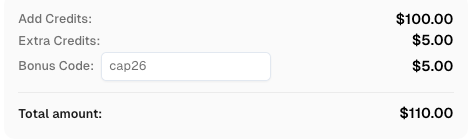
Use code
CAP26when signing up at CapSolver to receive bonus credits!
CapSolver's services integrate seamlessly into existing scraping frameworks, providing solutions for:
Leveraging such services improves web scraping operations' resilience against sophisticated anti-bot measures. For integration details, refer to official documentation, such as How to Choose CAPTCHA Solving API? 2026 Buyer's Guide & Comparison.
Understanding the legal and ethical landscape is paramount for long-term web scraping security. Ignoring these aspects can lead to severe consequences. According to a report by Zyte, web scraping itself is not inherently illegal, but its legality depends heavily on the data being scraped and the methods used. Always prioritize ethical considerations to maintain a positive reputation and avoid legal entanglements.
robots.txt and Terms of Servicerobots.txt: This file directs web crawlers on which parts of a website to avoid. Always adhere to these rules. It's a strong ethical guideline, and ignoring it can violate website policy and compromise web scraping security. Respecting robots.txt is a fundamental aspect of responsible scraping.When scraping personal data, compliance with regulations like GDPR (General Data Protection Regulation) and CCPA (California Consumer Privacy Act) is critical. Ensure collected data is handled responsibly, anonymized if necessary, and used only for legitimate purposes. Non-compliance can result in significant fines and legal repercussions. Prioritizing data privacy is a key component of web scraping security. For instance, the International Association of Privacy Professionals (IAPP) highlights how EU data protection laws significantly limit the legal use of web scraping, especially concerning personal data. Additionally, understanding compliance with both GDPR and CCPA is essential for web scrapers operating globally, as these regulations impose strict requirements on data collection and processing.
Effective web scraping security is a continuous process of adaptation. By understanding anti-bot systems, mimicking human behavior, employing advanced proxy strategies, and leveraging automated CAPTCHA solving services like CapSolver, you enhance data collection resilience. Always prioritize legal and ethical compliance, respecting robots.txt, ToS, and data privacy. Staying informed about anti-bot techniques and monitoring performance ensures robust, undetected operations. This proactive approach to web scraping security allows valuable insights while maintaining a responsible and sustainable data acquisition strategy.
Web scraping legality is complex, depending on the data being scraped, website Terms of Service (ToS), and data protection laws (e.g., GDPR, CCPA). Generally, scraping publicly available data is often permissible, but copyrighted or personal data without explicit consent can be illegal. It is always advisable to consult legal counsel if you are unsure about the legality of your specific scraping activities.
To avoid IP blocks, implement a strategy that includes IP rotation with diverse proxies (residential, mobile), introduce random delays between requests to simulate human browsing patterns, and mimic human browser behavior with appropriate User-Agent and Referer headers. Continuously monitoring your scraping logs for unusual activity or error codes (like 403 or 429) is crucial for proactive adjustment and maintaining web scraping security.
Browser fingerprinting collects unique browser characteristics such as installed fonts, plugins, screen resolution, operating system, and language settings to create a unique identifier for a user. Anti-bot systems use this to detect headless browsers or automated scripts that exhibit inconsistent or non-human browser fingerprints. Advanced scrapers must use tools and techniques to simulate realistic and consistent browser fingerprints to avoid detection.
CapSolver uses advanced Artificial Intelligence (AI) and machine learning algorithms to automatically recognize and solve various CAPTCHA types. When your scraper encounters a CAPTCHA challenge, it sends the challenge to CapSolver's API. CapSolver then processes the challenge, generates a solution, and returns it to your scraper. This process bypasses the CAPTCHA for uninterrupted data extraction, significantly improving the efficiency and reliability of your web scraping operations and enhancing web scraping security.
Honeypots are invisible links or elements embedded within a webpage that are designed to trap automated bots. A human user would not see or interact with these elements, but a bot might. To avoid honeypots, your scraper should analyze the CSS properties of links (e.g., display: none, visibility: hidden, or color: #fff on a white background) and avoid following any links that are hidden from human view. This careful analysis is critical for maintaining web scraping security and avoiding immediate detection and blocking.
Nikolai Smirnov
Software Development Lead
Building dependable software for complex automation.
ABOUT THE AUTHOR
Learn scalable Rust web scraping architecture with reqwest, scraper, async scraping, headless browser scraping, proxy rotation, and compliant CAPTCHA handling.

Learn the best techniques to scrape job listings without getting blocked. Master Indeed scraping, Google Jobs API, and web scraping API with CapSolver.