
🎉NEWCapSolver for AI agents-MCP, agent tools, and SDK integrations

Aloísio Vítor
Image Processing Expert
Published Oct 07, 2024
Updated Sep 27, 2024 · min read
Geziyor is a modern web scraping framework for Go, designed to offer powerful tools for scraping websites and extracting data efficiently. Unlike many traditional scraping libraries, Geziyor emphasizes ease of use while providing highly customizable scraping workflows.
To use Geziyor, ensure you have:
To install Geziyor, you can run:
go get -u github.com/geziyor/geziyorHere is a simple example to scrape a website and print the titles of the articles:
package main

import (
    "github.com/geziyor/geziyor"
    "github.com/geziyor/geziyor/client"
    "github.com/PuerkitoBio/goquery"
    "log"
)

func main() {
    geziyor.NewGeziyor(&geziyor.Options{
        StartURLs: []string{"https://news.ycombinator.com"},
        ParseFunc: func(g *geziyor.Geziyor, r *client.Response) {
            r.HTMLDoc.Find(".storylink").Each(func(i int, s *goquery.Selection) {
                log.Println(s.Text())
            })
        },
    }).Start()
}Sometimes, you need to simulate a more complex interaction with the server, like logging in or interacting with dynamic websites. In this example, we will show how to send a custom header and a POST request.
package main

import (
    "github.com/geziyor/geziyor"
    "github.com/geziyor/geziyor/client"
    "log"
)

func main() {
    geziyor.NewGeziyor(&geziyor.Options{
        StartRequestsFunc: func(g *geziyor.Geziyor) {
            g.Do(&client.Request{
                Method: "POST",
                URL:    "https://httpbin.org/post",
                Body:   []byte(`{"username": "test", "password": "123"}`),
                Headers: map[string]string{
                    "Content-Type": "application/json",
                },
            })
        },
        ParseFunc: func(g *geziyor.Geziyor, r *client.Response) {
            log.Println(string(r.Body))
        },
    }).Start()
}You might need to manage cookies or maintain sessions during scraping. Geziyor simplifies cookie management by automatically handling cookies for each request, and you can also customize the cookie handling process if needed.
package main

import (
    "github.com/geziyor/geziyor"
    "github.com/geziyor/geziyor/client"
    "log"
)

func main() {
    geziyor.NewGeziyor(&geziyor.Options{
        StartRequestsFunc: func(g *geziyor.Geziyor) {
            g.Do(&client.Request{
                URL: "https://httpbin.org/cookies/set?name=value",
            })
        },
        ParseFunc: func(g *geziyor.Geziyor, r *client.Response) {
            log.Println("Cookies:", r.Cookies())
        },
    }).Start()
}To scrape a website while avoiding IP restrictions or blocks, you can route your requests through a proxy. Here's how to configure proxy support with Geziyor:
package main

import (
    "github.com/geziyor/geziyor"
    "github.com/geziyor/geziyor/client"
    "log"
)

func main() {
    geziyor.NewGeziyor(&geziyor.Options{
        StartRequestsFunc: func(g *geziyor.Geziyor) {
            g.Do(&client.Request{
                URL:    "https://httpbin.org/ip",
                Proxy:  "http://username:password@proxyserver:8080",
            })
        },
        ParseFunc: func(g *geziyor.Geziyor, r *client.Response) {
            log.Println(string(r.Body))
        },
    }).Start()
}While Geziyor doesn’t natively solve captchas, you can integrate it with a captcha-solving service such as CapSolver. Here's how you can use CapSolver to solve captchas in conjunction with Geziyor.
First, you need to integrate CapSolver and handle requests for captcha challenges.
package main

import (
    "encoding/json"
    "github.com/geziyor/geziyor"
    "github.com/geziyor/geziyor/client"
    "log"
    "time"
)

const CAPSOLVER_KEY = "YourKey"

func createTask(url, key string) (string, error) {
    payload := map[string]interface{}{
        "clientKey": CAPSOLVER_KEY,
        "task": map[string]interface{}{
            "type":        "ReCaptchaV2TaskProxyLess",
            "websiteURL":  url,
            "websiteKey":  key,
        },
    }

    response, err := client.NewRequest().
        Method("POST").
        URL("https://api.capsolver.com/createTask").
        JSON(payload).
        Do()

    if err != nil {
        return "", err
    }

    var result map[string]interface{}
    json.Unmarshal(response.Body, &result)
    return result["taskId"].(string), nil
}

func getTaskResult(taskId string) (string, error) {
    payload := map[string]interface{}{
        "clientKey": CAPSOLVER_KEY,
        "taskId":    taskId,
    }

    for {
        response, err := client.NewRequest().
            Method("POST").
            URL("https://api.capsolver.com/getTaskResult").
            JSON(payload).
            Do()

        if err != nil {
            return "", err
        }

        var result map[string]interface{}
        json.Unmarshal(response.Body, &result)

        if result["status"] == "ready" {
            return result["solution"].(string), nil
        }

        time.Sleep(5 * time.Second)
    }
}

func main() {
    geziyor.NewGeziyor(&geziyor.Options{
        StartRequestsFunc: func(g *geziyor.Geziyor) {
            taskId, _ := createTask("https://example.com", "6LcR_okUAAAAAPYrPe-HK_0RULO1aZM15ENyM-Mf")
            solution, _ := getTaskResult(taskId)

            g.Do(&client.Request{
                Method: "POST",
                URL:    "https://example.com/submit",
                Body:   []byte(`g-recaptcha-response=` + solution),
            })
        },
        ParseFunc: func(g *geziyor.Geziyor, r *client.Response) {
            log.Println("Captcha Solved:", string(r.Body))
        },
    }).Start()
}Geziyor excels at handling high-volume scraping tasks, but performance can be further optimized by adjusting certain options:
ConcurrentRequests to allow multiple parallel requests.Example with concurrency and delay:
package main

import (
    "github.com/geziyor/geziyor"
    "github.com/geziyor/geziyor/client"
)

func main() {
    geziyor.NewGeziyor(&geziyor.Options{
        StartURLs:          []string{"https://example.com"},
        ParseFunc:          func(g *geziyor.Geziyor, r *client.Response) {},
        ConcurrentRequests: 10,
        RequestDelay:       2,
    }).Start()
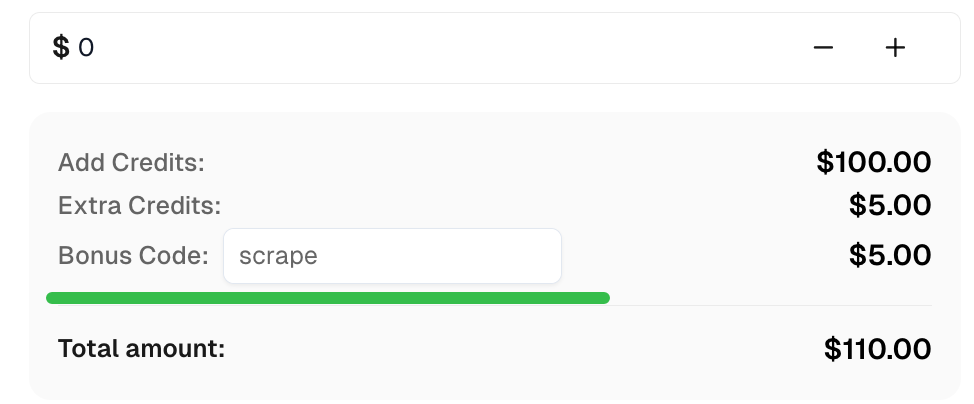
}Claim your Bonus Code for top captcha solutions at CapSolver: scrape. After redeeming it, you will get an extra 5% bonus after each recharge, unlimited times.
Geziyor is a powerful, fast, and flexible web scraping framework for Go, making it a great choice for developers looking to build scalable scraping systems. Its built-in support for concurrency, customizable requests, and the ability to integrate with external services like CapSolver make it an ideal tool for both simple and advanced scraping tasks.
Whether you're collecting data from blogs, e-commerce sites, or building custom scraping pipelines, Geziyor has the features you need to get started quickly and efficiently.
Aloísio Vítor
Image Processing Expert
Interpreting the visual signals behind web workflows.
ABOUT THE AUTHOR
Explore three enterprise uses of CAPTCHA solving for SERP API providers: scheduled ranking feeds, market-research batches, and interactive search-data delivery.

Fix common Selenium CAPTCHA integration problems by checking test configuration, extensions, waits, iframe context, solver responses, and application results.